 khamush.com Lifestyle | Motivation | Poems
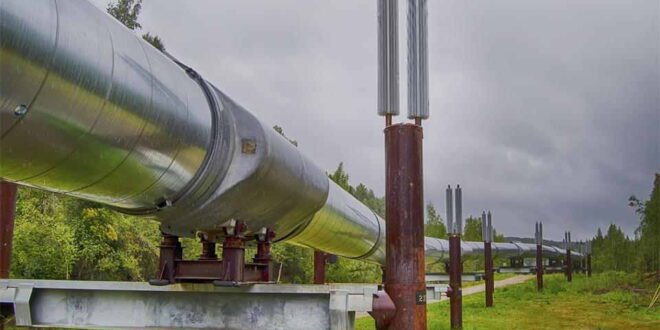
Building a cross-country pipeline demands a choreography of specialized heavy equipment moving in sequence across miles of rough ground.
From the first survey stake to the final pressure test, each machine has a distinct job that keeps progress steady, costs in check, and crews safe. Seeing what these machines do—and why work would stall without them—shows how critical equipment planning is to modern energy infrastructure.
Excavators: The Backbone of Trench Creation
Excavators are usually the first big iron on site, carving the continuous trench that will cradle the pipeline. Long-reach booms allow operators to dig deep while keeping the machine a safe distance from unstable edges, and quick-change couplers let buckets swap for compaction wheels or hydraulic breakers in minutes.
Because crews often work in remote areas with no surfaced roads, contractors favor tracked units with high tractive effort and wide pads to minimize ground pressure. Modern telematics feed real-time production data back to supervisors, helping them adjust crew sizes, fuel deliveries, and shift lengths so trenching stays ahead of welding gangs without idle time.
Sidebooms and Pipe Layers: Lifting With Precision
Once the trench line advances, sidebooms—essentially modified track dozers with powerful cantilevered booms—take over the heavy lifting. Their counterweights slide outward to balance massive sections of steel pipe, sometimes exceeding 36 inches in diameter and weighing several tons apiece.
Experienced operators coordinate in choreographed “stringing” formations, maintaining exact spacing so the welders can work safely between suspended joints.
Laser and GPS guidance systems now augment sightlines, reducing the risk of dropped loads and preventing clashes with overhead utilities or cultural resources. By moving pipes in long, continuous strings, sidebooms slash cycle times compared to cranes that must be repositioned after every lift.
Bending Machines and Support Gear: Shaping Pipe to the Terrain
Pipelines rarely run in straight, level paths; they must snake over hills and around rivers. Massive hydraulic bending machines cold-form each joint on site, pressing the pipe against a mandrel to achieve smooth, code-compliant curves without thinning the wall thickness.
To stabilize equipment on marshy ground and protect sensitive ecosystems, crews deploy composite mats that spread the machine’s weight like a floating floor, preventing rutting and keeping production moving after rainstorms.
Internal alignment clamps, external heating blankets for thick-wall pipe, and non-destructive testing rigs follow in close succession, ensuring every bend meets specifications before welding teams commit it permanently to the string.
Hydrostatic Testing Units: Ensuring Integrity Before Commissioning
Long before the product ever flows, the finished pipeline is subjected to rigorous hydrostatic testing. Trailer-mounted pump assemblies fill isolated sections with water and raise the pressure 25 percent above maximum operating limits, holding for hours while inspectors watch digital gauges for the slightest drop.
The pumps rely on high-horsepower diesel engines and redundant filtration systems to prevent silt from damaging pipe coatings.
Once testing is complete, drying units equipped with desiccant towers and turbo blowers remove every trace of moisture to prevent internal corrosion. Passing this final exam certifies that every weld, bend, and valve can withstand years of continuous service.
Conclusion
While the public often sees only the finished right-of-way, successful pipeline infrastructure is really the sum of these specialized machines working in harmony. By matching the right iron to each task and maintaining it diligently, contractors deliver safer projects, tighter schedules, and longer-lived assets for all stakeholders.